Diffusion Language Models
Perplexity AI explains Diffusion Language Models Diffusion-based language models (DLMs) represent a novel approach to natural language processing, combining the strengths of diffusion models with large language models. Unlike traditional autoregressive language models, DLMs use an iterative process of adding and removing noise to generate text. This approach allows for more flexible and controllable text generation, as the model can refine its output through multiple steps.
Perplexity AI explains Diffusion Language Models Diffusion-based language models (DLMs) represent a novel approach to natural language processing, combining the strengths of diffusion models with large language models. Unlike traditional autoregressive language models, DLMs use an iterative process of adding and removing noise to generate text1. This approach allows for more flexible and controllable text generation, as the model can refine its output through multiple steps2.
Key features of DLMs include:
- Improved efficiency: DLMs can generate high-quality text with fewer parameters, potentially reducing computational costs3.
- Enhanced interpretability: The step-by-step generation process provides insights into how the model arrives at its final output4.
- Versatility: DLMs show promise in various NLP tasks, including text generation, summarization, and translation1.
- Scalability: Research indicates that DLMs can benefit from scaling in terms of data, model size, and task complexity1.
While still an emerging technology, diffusion-based language models represent a promising direction for advancing natural language AI capabilities21.
Sources 1 Diffusion Language Models Can Perform Many Tasks with Scaling and... https://openreview.net/forum?id=Qn4HEhezKW 2 What are Diffusion Models? | IBM https://www.ibm.com/think/topics/diffusion-models 3 Elevating NLP: LLM Enhances Diffusion Models https://myscale.com/blog/5-ways-llm-elevates-diffusion-models-nlp/ 4 An Introduction to Diffusion Models for Machine Learning https://encord.com/blog/diffusion-models/
Inception's diffusion-based large language model (DLM) offers significant efficiency gains in AI latency compared to traditional LLMs. By streamlining model architecture and optimizing data transfers, DLMs can reduce computational overhead and minimize processing times12. Key advantages include:
- Faster inference times and lower memory requirements through model pruning2
- Improved responsiveness for real-time applications like chatbots and voice interfaces3
- Potential for new AI experiences enabled by near-instantaneous responses3
- Expanded viability of complex models for time-sensitive tasks previously infeasible3
These latency improvements allow DLMs to deliver more dynamic, real-time AI capabilities while potentially reducing infrastructure costs for enterprises implementing the technology3.
Sources 1 Sources of Latency in AI and How to Manage Them https://telnyx.com/learn-ai/ai-latency 2 AI Model Optimization: 6 Key Techniques https://www.eweek.com/artificial-intelligence/ai-model-optimization/ 3 What is Latency? https://www.moveworks.com/us/en/resources/ai-terms-glossary/latency
Related in the catalogue

Moonshot AI
moonshot.aiWelcome to explore the Dark Side of the Moon, seeking the optimal solution to convert energy into intelligence.
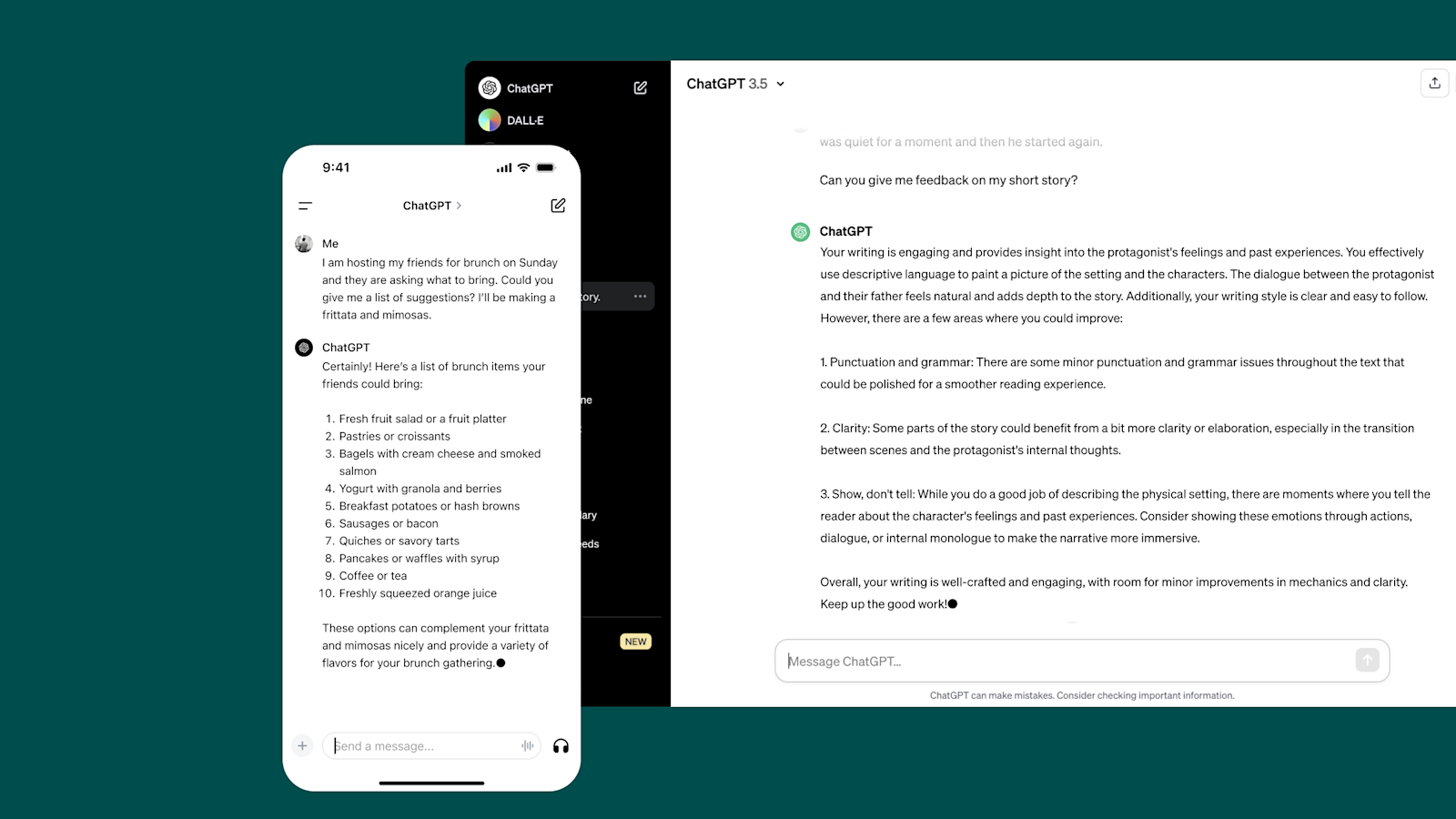
ChatGPT
openai.comChatGPT helps you get answers, find inspiration and be more productive. It is free to use and easy to try. Just ask and ChatGPT can help with writing, learning, brainstorming and more.
Qwen
https://youtu.be/-_aurwwYeSc?si=fd7zk5AWompT5fhk
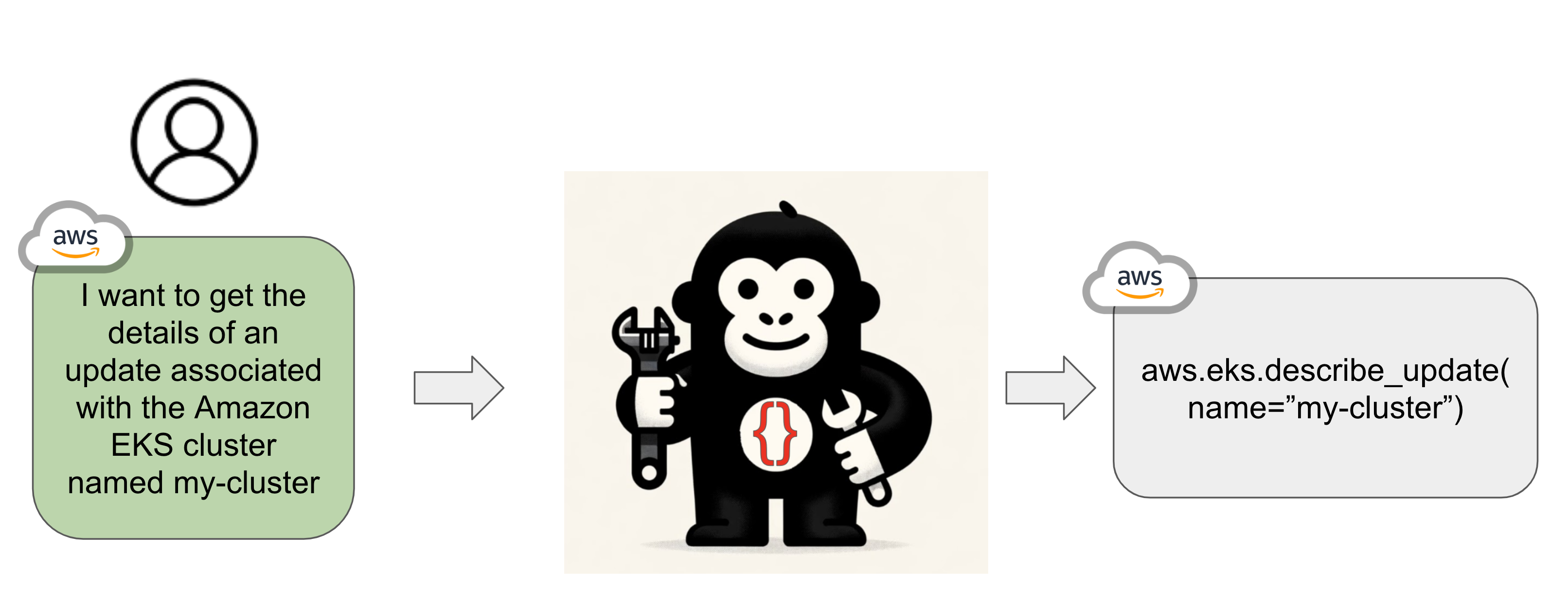
Gorilla
gorilla.cs.berkeley.eduLarge Language Model Connected with Massive APIs